
What is E-commerce?
What is e-export? In short, it is an export model that involves selling products or services abroad via the internet. It refers to the process of delivering products to customers in the global market through shipping companies that send goods abroad under the micro-export category using an ETGB (E-Commerce Customs Declaration). We covered the details of this topic in our article “Top 6 Turkish Towel Options to Buy in 2025.”
How is E-commerce Realized?
E-Export In general, two types of sales methods are followed in the e-export process. The key here is to choose the strategy that works best for you. You should conduct a careful feasibility study when selecting the approach that best suits your business model. Many companies struggle and fail because they follow the wrong strategy. However, with proper planning and budgeting, it is possible to engage in e-export and increase your sales volume. Our article “What Is Micro-Export?” may be helpful in this regard.
1) Export Platforms
With this method, you can sell through listings and store setups to be added to the platform. It is a fast and easy option in terms of more affordable investment cost compared to other methods. You can sell on major marketplaces such as Amazon, Etsy, Alibaba, Ebay. These platforms carry out digital marketing activities (PPC advertising, promotion, affiliate marketing, etc.) within their own structure. Therefore, you can promote yourself without worrying about attracting customers to your site. At the same time, customer trust in these platforms is usually high. You can start e-exporting by registering on these sites and adding your products.
2) E-Commerce Websites
E-commerce websites serve businesses online and allow them to showcase and sell their products directly to customers. These platforms are integrated with the necessary tools and resources to create a customized shopping experience for their sellers. In addition to popular, global platforms such as Shopify, BigCommerce, Shopware, WooCommerce, service providers such as Ikas and Ticimax are in our partner network. Unlike marketplaces, e-commerce websites give sellers full control over store design, layout and product presentation. This strengthens their brand image and helps them build strong customer relationships.
Ayrıca, e-ticaret web siteleri altyapılarına entegre pazarlama araçlarını da içerir. Sosyal medya entegrasyonu ve arama motoru optimizasyonu (SEO) gibi bu hizmeti veren SEO ajansları pazarlama performansı stratejileri geliştirmelerine olanak tanır. Bu özellikler, işletmelerin online görünürlüklerini artırmasına, yeni müşteriler çekmesine ve satışlarını artırmasına yardımcı olur.
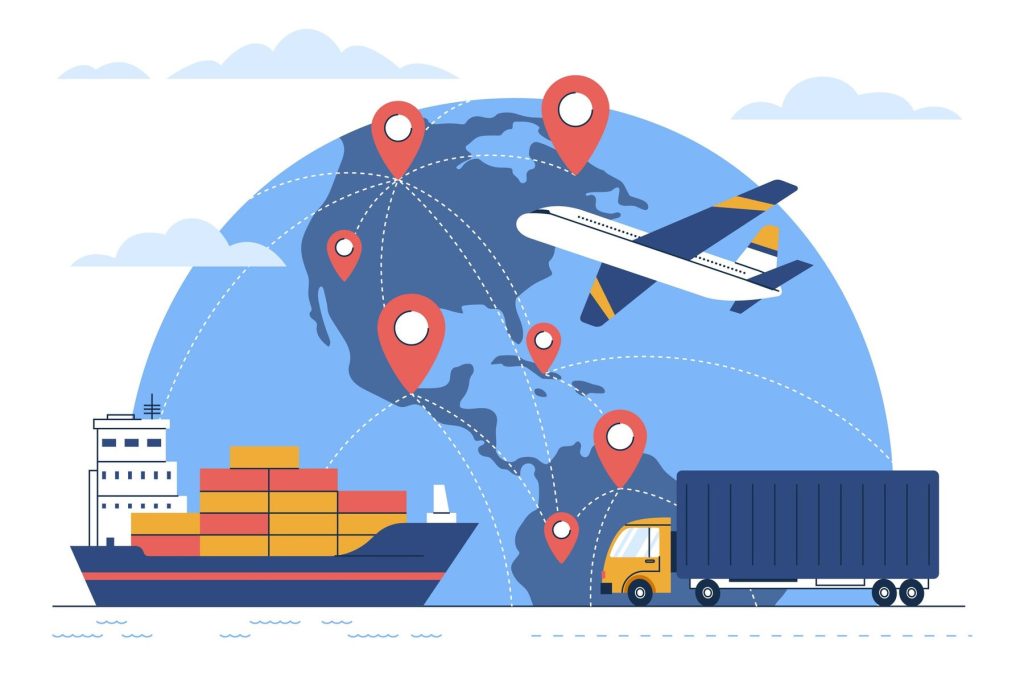
Why Should I E-Export? What is the Difference between E-Export and Traditional Export?
E-export has some advantages over traditional exports thanks to the internet and digital marketing. You can reach your potential customers without the need for a physical location. You can sell B2C or B2B by reaching your customers through digital channels without the need to find new dealers and distributors abroad. Your customers find your brand on your website or in stores on online marketplaces.
- In terms of testing the sales potential of your products, you can bring them to the customer with lower costs through the "fulfillment" services of the marketplaces without incurring the storage costs in the target market.
- Even without setting up your e-commerce infrastructure, you can test whether your products attract interest in international markets through online marketplaces.
- Instead of selling in the local currency of your country, you can take advantage of the exchange rate advantage by selling at international exchange rates.
- You can lighten your customer support load with messaging services without setting up call center operations, and have a more manageable and flexible customer service operation.
- B2C customs clearance is tax exempt.
- You can reduce your costs online without setting up a physical operation for services such as logistics, payment systems, language localization, digital marketing
- You can increase your sales potential by presenting your customized product and service recommendations in different price ranges more systematically and effectively.
- You can enter the relevant markets by identifying different product options in global marketplaces with online tools and evaluating them within the framework of competitive analysis.
E-Export Roadmap
Market Research
- Identify your target market and audience.
- Analyze competitors and industry trends.
- Identify the demand for your products or services.
E-Commerce Platform Selection
- Choose a suitable e-commerce platform (e.g. Shopify, WooCommerce, Magento).
- Consider factors such as scalability, features and ease of use.
Website Development
- Design a user-friendly and visually appealing website.
- Ensure mobile compatibility.
- Implement secure payment gateways.
Product Lists and Catalog Management
- Create high-quality product lists.
- Implement an efficient catalog management system.
Payment and Shipping Setup
- Set up secure payment transactions.
- Define shipping options and policies.
Marketing Strategy
- Develop a comprehensive digital marketing plan.
- Use social media, content marketing and email campaigns.
- Implement search engine optimization (SEO) strategies. It is important to get professional support. You can count on us for this.
Customer Acquisition
- Focus on attracting your first customer base.
- Consider promotions, discounts or loyalty programs.
Customer Experience Optimization
- Improve the user experience on the website.
- Implement customer support and feedback mechanisms.
Expansion
- Explore business expansion opportunities. Consider diversifying your product offerings.
- Evaluate international market entry.
Optimization and Continuous Improvement
- Review and optimize the website regularly for better performance.
- Collect customer feedback and implement improvements.
- Stay up-to-date on industry trends and technologies.
Tracking and Reporting
- Identify key performance indicators (KPIs) and monitor them regularly.
- Create reports to track the success of marketing campaigns and overall business performance.
Adapt to Changing Trends
- Be flexible to adapt to e-commerce trends.
- Embrace new technologies and customer preferences.
Remember, the specifics of the E-Commerce Roadmap may vary depending on your industry, target audience and business goals. Regularly evaluate and adjust your roadmap to stay competitive in the dynamic e-commerce landscape.

