
ABD Kanada gümrük süreçleri, FDA kayıtları ve hazmat lojistiği çoğu zaman aynı sevkiyatta birlikte karşımıza çıkıyor. Bu yazıda üçünü ayrı ayrı ele alıp aralarındaki bağlantıyı gösteriyoruz.
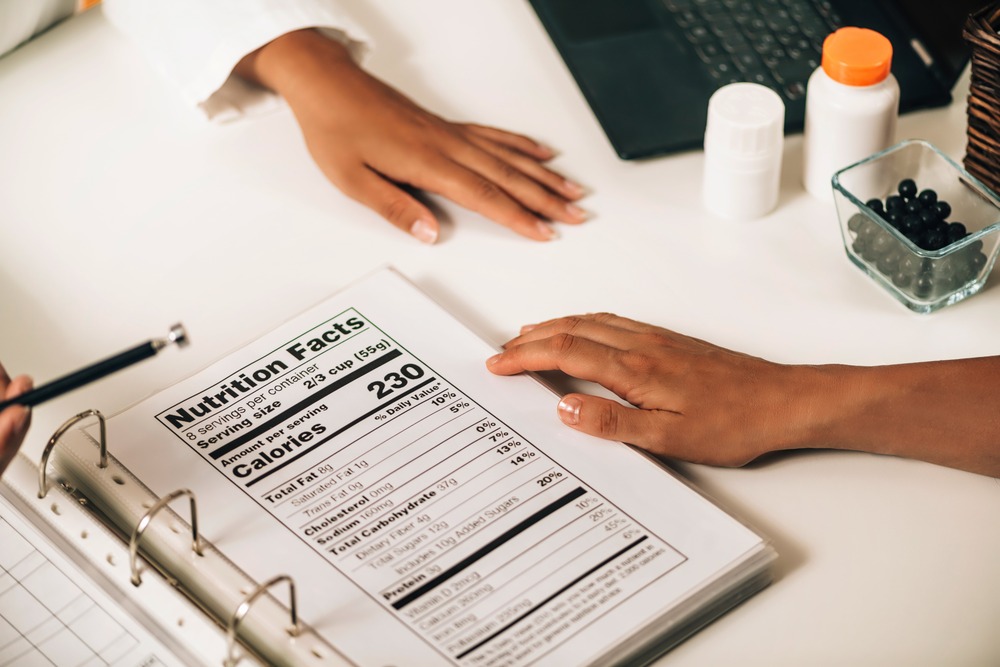
1. FDA Kayıt Süreci ve Amazon Satışları
Amerika Birleşik Devletleri’ne gıda, takviye edici gıdalar, kozmetik veya medikal ürün göndermek isteyen firmaların öncelikle FDA (Gıda ve İlaç Dairesi) kayıt işlemlerini tamamlamaları gerekmektedir. Bu kayıtlar ürünlerin güvenliğini, içerik uyumluluğunu ve etiket bilgilerinin doğruluğunu sağlamak amacıyla zorunlu tutulur. Amazon ve Walmart gibi platformlarda satış yapabilmek için FDA uyumluluğu kritik önemdedir.
Kayıt süreci genellikle şu kalemleri içerir:
- Food Facility Registration (FDA Gıda Tesis Kaydı)
- Cosmetic Establishment Registration (FDA Kozmetik Tesis Kaydı)
- US Agent Temsilciliği
- Ürün içerik ve etiket uygunluğu incelemesi (Label & Ingredient Review)
- FDA Ürün Kaydı
FDA Kayıt Belgelendirme ve ABD’ye Gıda ve Kozmetik Satışı İçin FDA Süreci sayfalarını incelemenizi tavsiye ederiz.
2. Hazmat (Tehlikeli Ürün) Lojistiği
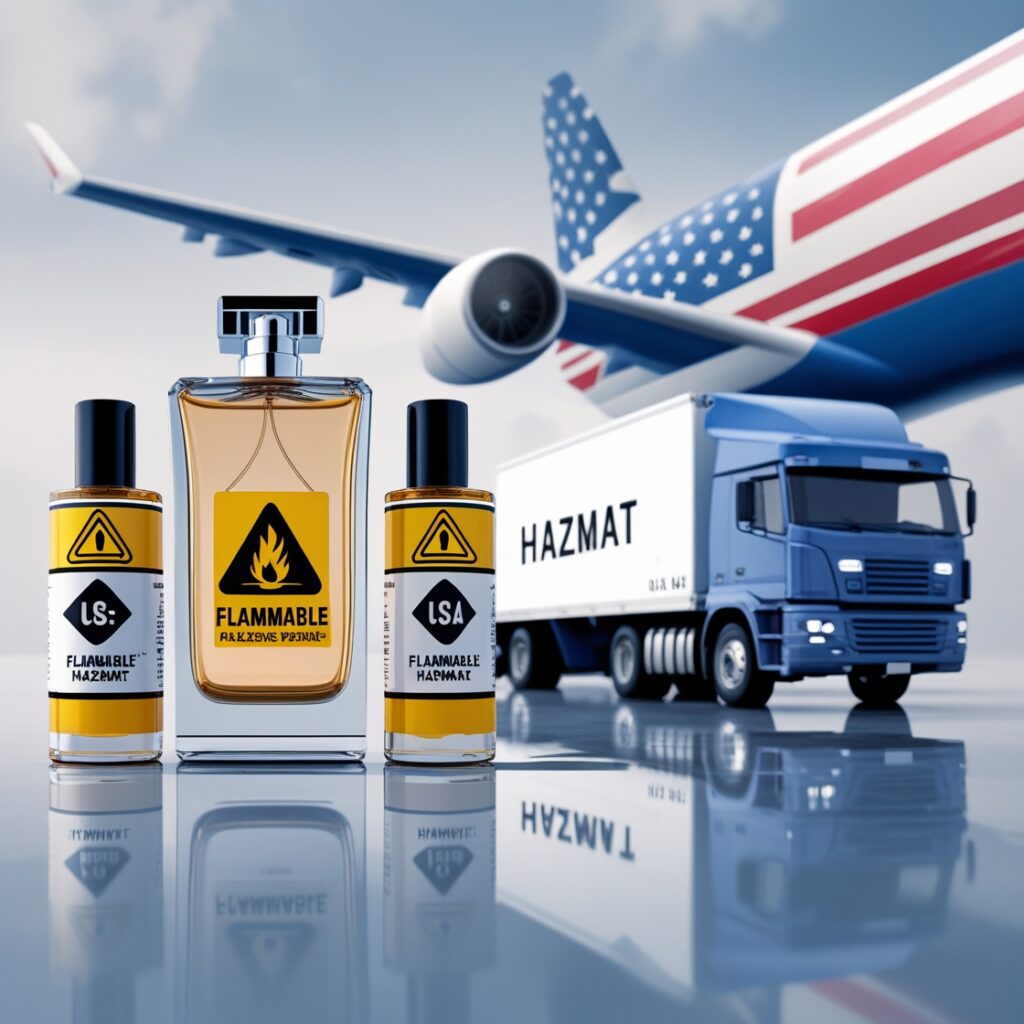
Parfüm, aerosol sprey, uçucu yağlar ve benzeri bazı ürünler, hava taşımacılığında tehlikeli madde (Hazmat) kapsamında değerlendirilir. Bu ürünlerin lojistiğinde çoğu kargo firması hazmat lojistiği konusunda sorun yaşatabilir. Ancak partner lojistik firmamız:
- Hazmat sertifikalı taşıma imkanı sunar
- Gümrük beyanlarını eksiksiz hazırlar
- Amerika içinde teslimat (last mile delivery) sürecini tamamlar
- Amazon FBA’ya uygun şekilde ürünlerin taşınmasını sağlar
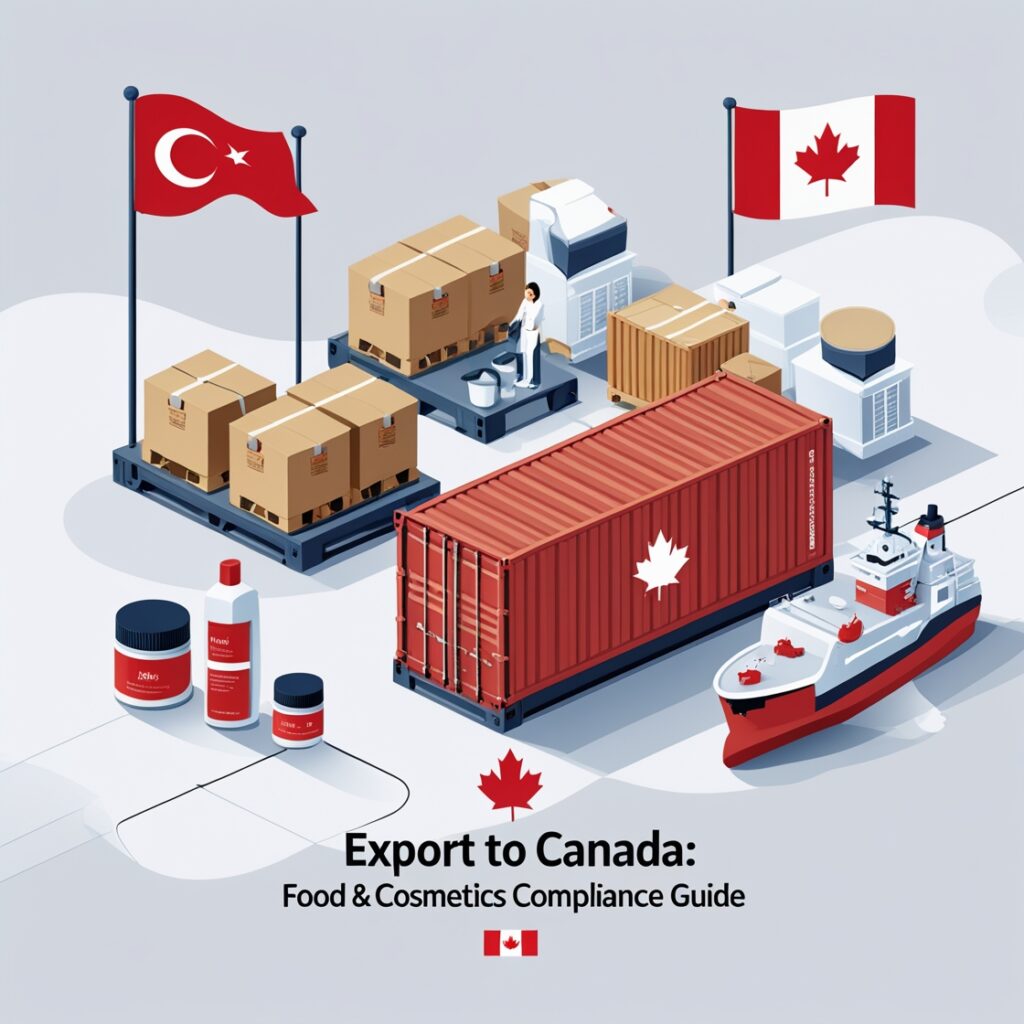
3. Kanada’ya Gıda ve Kozmetik Ürün İhracatı
Kanada’ya ihracat sürecinde FDA değil, Health Canada gibi otoriteler devrededir. Ancak süreç yapısal olarak benzer şekilde ilerler. Firmamızın Kanada’daki partneri şu konularda destek sunar:
- Kanada Gümrük Temsilciliği
- Gıda/Kozmetik Ürün Etiket İncelemesi
- Kanada İçin Ürün Uygunluğu Danışmanlığı
- Amazon.ca için ürün taşımacılığı ve FBA desteği
Kanada’ya Gıda ve Kozmetik İhracat: Türk İhracatçılar için Uyum ve Gümrük Rehberi yazısı ilginizi çekebilir.
4. ABD Kanada Gümrük Süreçleri: Bond, Temsilci, DDP
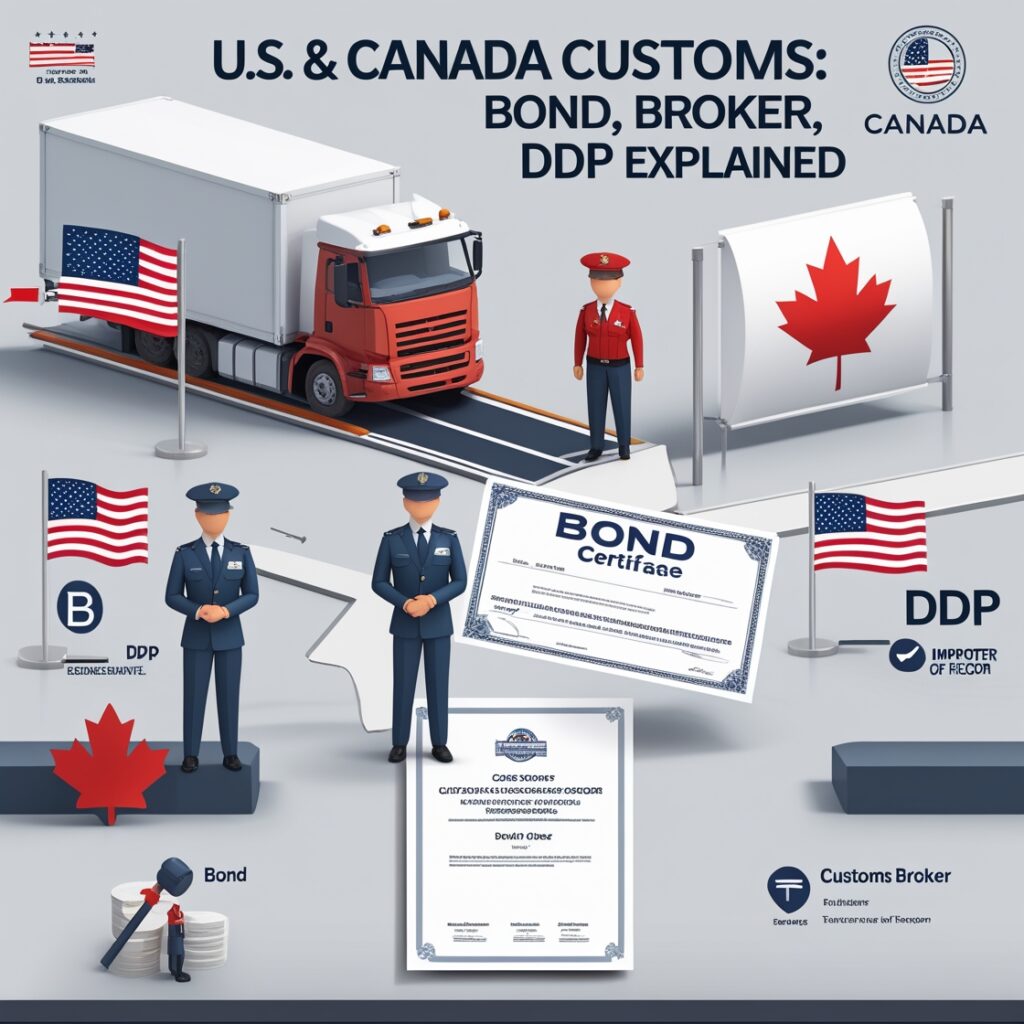
ABD ve Kanada’ya yapılan gönderilerde gümrükleme süreci dikkatle planlanmalıdır. Şirketinizin orada kurulmuş olması, gümrük masraflarını doğrudan ödemenizi sağlar.
Eğer şirketiniz yoksa, ürünleri DDP (Delivery Duty Paid) olarak göndermeniz gerekir. Bu yöntemde tüm gümrük vergileri ve işlemleri göndericiye aittir. Özellikle Amazon satıcıları için:
– ABD’de 800 USD altı gönderiler eskiden vergiden muaftı; bu muafiyet 29 Ağustos 2025’te askıya alındı (ayrıntısı aşağıda).
– Kanada’da ise çoğunlukla gönderi değerine ve ürün türüne göre vergi alınır.
– Gerekirse ‘bond’ alınarak sürekli ihracat yapılabilir.
5. ABD’de $800 Altı Gönderilerde Vergi ve Tarife Katmanları
29 Ağustos 2025’te 800 USD altı gönderilerin vergi muafiyeti askıya alındı. Askı bütün ülkeler için geçerli, Türkiye’ye özel bir istisna yok. 24 Haziran 2026’da yayımlanan iki CBP geçici nihai kuralı ile askı süresiz hale geldi (Federal Register 2026-12670 ve 2026-12669), dayanağı da artık kararname değil 19 U.S.C. 1321(b). Muafiyet 1 Temmuz 2027’de kanun metninden çıkıyor. Bu süreçte Entry Type 86 da kaldırıldı, yani düşük değerli gönderiler için kullanılan basitleştirilmiş beyan yolu artık kullanılamıyor.
Oran tarafı ise değişti. O dönemde yazılan yüzde 15’lik karşılıklı tarife bugün geçerli değil. 20 Şubat 2026 tarihli EO 14389, IEEPA kapsamında konulmuş ek ad valorem vergileri yürürlükten kaldırdı (Federal Register 2026-03832). Karşılıklı tarife bu tarihten sonra uygulanmıyor. Katmanların bugünkü halini ve hesaplamanın nasıl yapıldığını Amazon satıcıları için ABD gümrük vergisi hesabı yazımızda adım adım anlattık.
Bugün Türkiye kaynaklı ürünlerde kesin olan katman, Section 301 kapsamında uygulanan yüzde 12,5 (Federal Register 2026-15181, CBP CSMS 69326983). Bu oran ürünün kendi normal gümrük vergisi oranına ekleniyor, onun yerine geçmiyor. Section 122 kapsamındaki yüzde 10’luk geçici ek verginin 150 günlük süresi 24 Temmuz 2026’da doldu, ancak uzatıldığına ya da sona erdiğine dair birincil kaynakta bir kayıt yok. Bu kalemin güncel durumunu gümrük müşavirinizle teyit etmenizde fayda var.
Örnek: 500 USD’lik bir gönderide Section 301 katmanı tek başına 62,5 USD’ye denk geliyor. Ürünün kendi oranı buna ekleniyor, yani toplam bundan yüksek çıkabiliyor. Eğer ABD’de şirketiniz varsa bu vergiyi doğrudan ödeyebilirsiniz. Aksi halde DDP taşımalarda taşıyıcı firmaya her gönderim başına 25-30€ DDP masrafı ödenir. Bu durum küçük gönderilerde karlılığı düşürebilir.
Section 301 katmanı, Türkiye’nin zorla çalıştırma ile üretilen mallara ithalat yasağı getirmemiş olması gerekçesine dayanıyor. Türk üretiminde zorla çalıştırma iddiası anlamına gelmiyor, ikisi farklı şeyler.
Gıda, kozmetik, takviye ve ev tekstili ürünleri genel muafiyet kapsamında değil. Ek listelerde ürün bazında istisnalar bulunabiliyor, bu yüzden kendi HTS kodunuzu ayrıca kontrol etmeniz daha sağlıklı olur.
Amerika’da şirket kurulumu için hemen ulaşın.
Sıkça Sorulan Sorular
- FDA belgesi var mıdır?
Hayır, FDA ürün onayı vermez, sadece kayıt ve beyan süreçlerini yönetir.
- Amazon için FDA kaydı şart mı?
Gıda, takviye edici gıda, kozmetik gibi kategorilerde evet, gereklidir.
- Hazmat ürünler Amazon’a gönderilebilir mi?
Evet, hazmat lojistiği doğru paketleme ve beyan mümkündür.
- Kanada’da FDA mı geçerli?
Hayır, Health Canada yetkili otoritedir.
- Gümrük vergisi her üründe çıkar mı?
Hayır, ürün tipi, değer ve gönderim şekline göre değişir.
- 800 USD altı vergiden muaf mı?
Eskiden evet, ancak 29 Ağustos 2025’te bu muafiyet askıya alındı ve 24 Haziran 2026’daki CBP kurallarıyla süresiz hale geldi. Türkiye için istisna yok. O tarihte yazılan yüzde 15’lik oran ise bugün geçerli değil, IEEPA karşılıklı tarifesi 24 Şubat 2026 itibarıyla uygulanmıyor. Bugün kesin olan katman, Section 301 kapsamındaki yüzde 12,5 ve bu oran ürünün kendi gümrük vergisine ekleniyor. Kesin tutar için ürününüzün HTS kodundan gitmek gerekiyor.
Son güncelleme: 3 Ekim 2026

