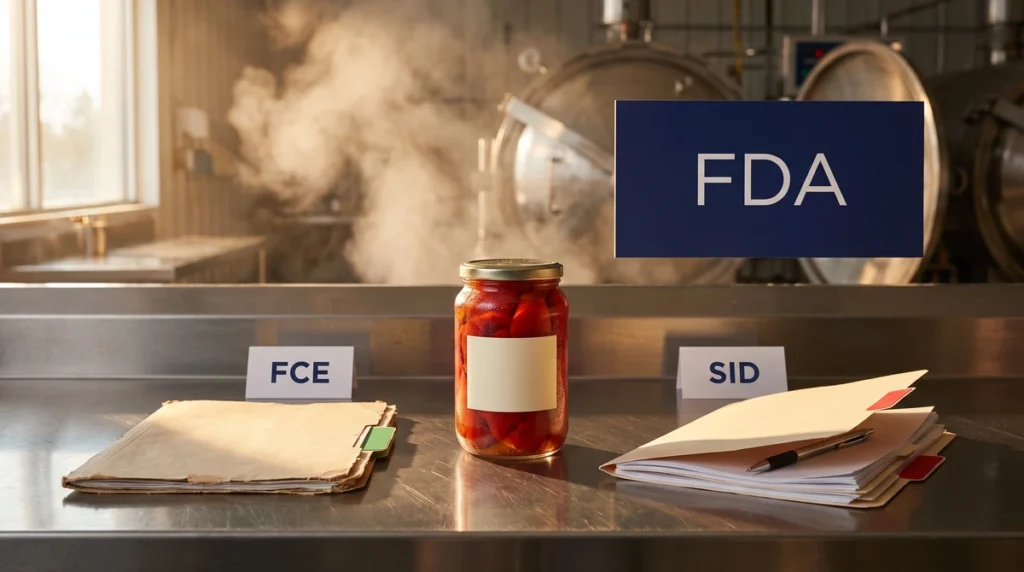
Amerika’ya Hayvansal Gıda İhracatı: FDA’nın Ötesindeki USDA Süreci
Amerika’ya hayvansal gıda ihracatı planlayan üreticiler için önemli bir gerçek var: ister kuru mama, ister yaş mama, ister organ ve sakatat bazlı premium ödüller, ister etli işlenmiş gıda olsun; hayvansal ürünlerde süreç, normal gıdadan bambaşka işliyor. FDA kaydını tamamlamak yetmiyor; ürünün ABD sınırından geçebilmesi için ikinci bir kurum daha devrede: USDA.
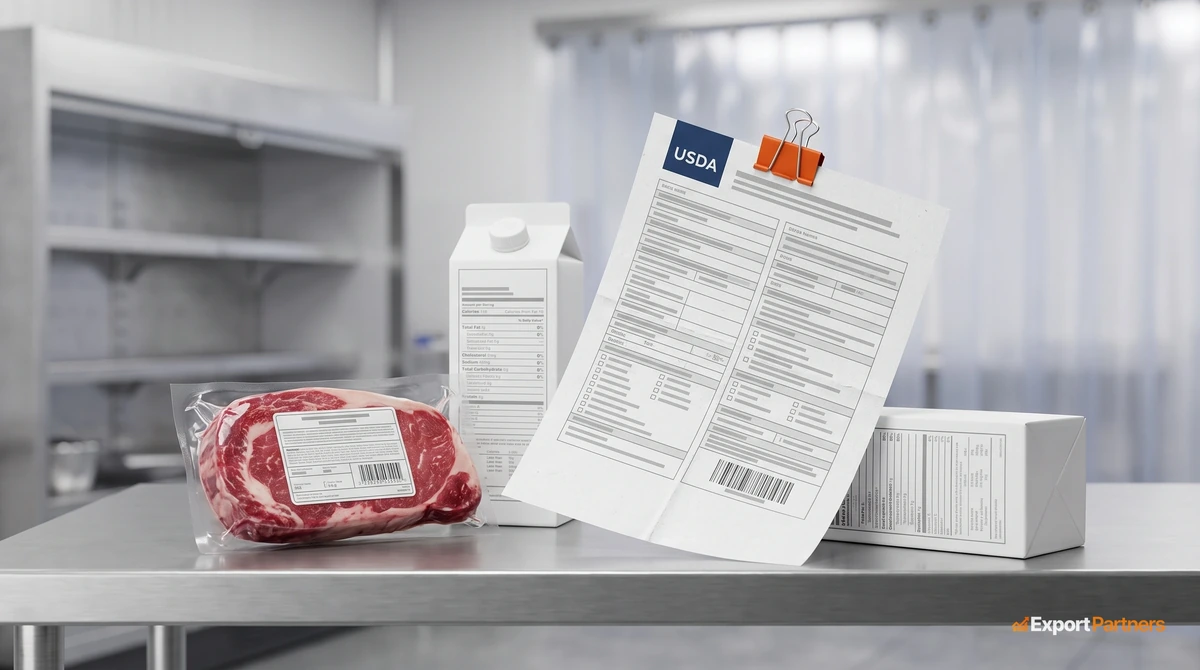
Bu ayrımı bilmeden yola çıkan üreticiler için sonuç ne yazık ki aynı: konteyner limanda bekler, günlük demuraj işler, bazı durumlarda ürün geri döner. Oysa kurallar nettir; baştan doğru kurulduğunda süreç sorunsuz ilerler. Bu yazıda, hayvansal gıdanın ABD’ye giriş yolunu tüm ürün gruplarını kapsayan bir çerçeve ile anlatıyoruz.
ABD Hayvansal Gıda Pazarı: Talep Neden Bu Kadar Güçlü?
ABD, dünyada hayvansal içerikli gıdaya en yüksek harcamayı yapan pazar. Özellikle üç kategori Türk üreticiler için gerçek bir fırsat penceresi açıyor:
Pet Food ve Premium Ödüller
ABD evcil hayvan ürünleri pazarı dünyanın en büyükleri arasında yer alıyor ve büyümeye devam ediyor. En hızlı büyüyen dilim premium ve fonksiyonel ödüller: freeze-dry et ödülleri, tek proteinli ve tahılsız mamalar, organ bazlı yüksek katma değerli ürünler. Pet food özelinde derin rehberimiz için ABD’ye pet food ihracatı: APHIS, FDA ve Amazon rehberi başlıklı yazımıza bakabilirsiniz.
Süt ve Süt Ürünleri
ABD peynir ithalatı yıllık 2 milyar doları geçiyor; koyun sütü peyniri, tulum ve olgunlaştırılmış peynirler gurme rafta güçlü konumda. Türk süt ürünleri özellikle Akdeniz mutfağı çatısı altında ve etnik market ağında gerçek bir talep alanı buluyor.
İşlenmiş Et ve Charcuterie
Sucuk, pastırma, kavurma gibi geleneksel ürünler; hem diaspora hem “international foods” trendinden yararlanan ana akım tüketici kitlesine ulaşıyor. Ancak bu kategori USDA denetiminin en yoğun olduğu alan, süreç mimarisi burada özellikle kritik.
Talep tarafı hazır. Belirleyici olan, regülasyon mimarisinin baştan doğru kurulup kurulmadığı.
Neden USDA? FDA Neyi Kapsamıyor?
Bir yanılgıyı baştan düzeltelim: FDA gıdanın “genelinden” sorumlu ama tüm gıdadan değil. ABD’de gıda denetimi iki kurum arasında paylaşılmış:
- FDA (Food and Drug Administration): Konvansiyonel gıdanın büyük çoğunluğu, işlenmiş gıda, içecek, takviye, kozmetik, ilaç.
- USDA (United States Department of Agriculture): Et, kümes hayvanı ve yumurta ürünleri ile hayvansal içerikli pek çok ürün. USDA’nın gıda güvenliği kolu FSIS (Food Safety and Inspection Service), hayvan sağlığı kolu ise APHIS (Animal and Plant Health Inspection Service).
USDA’nın devrede olmasının temel sebebi tek kelimeyle: biyogüvenlik. ABD, ithal edilen hayvansal ürünle birlikte şap (FMD), Afrika domuz vebası (ASF), kuş gribi gibi yabancı hayvan hastalıklarının ülkeye girmesini önlemek için son derece sıkı bir kapı kontrolü uyguluyor. Yani mesele sadece “ürününüz güvenli mi?” değil; “bu ürün, geldiği ülkenin hayvan sağlığı statüsüne göre kabul edilebilir mi?” sorusu.
Bu yaklaşım, Türk üreticilerin en sık yanıldığı noktayı da açıklıyor: ürün FDA açısından tertemiz olabilir; ama menşe ülkenin hayvan hastalığı statüsü uygun değilse ürün ABD’ye giremez. Kontrol ürün bazında değil, ülke + ürün + üretici kombinasyonu bazında yapılıyor.
Hayvansal Ürünlerde Neler Gerekiyor?
Ürün grubuna göre değişmekle birlikte, hayvansal içerikli ürünlerde ABD giriş dosyası tipik olarak şu katmanları içerir:
1. Menşe Ülke Sağlık Sertifikası
Türkiye’de yetkili otorite (Tarım ve Orman Bakanlığı) tarafından düzenlenen ve ürünün hayvan sağlığı açısından ihraç edilebilir olduğunu belgeleyen resmi sertifika. USDA’nın kabul ettiği formatta, İngilizce ve doğru referanslarla düzenlenmiş olmalı. Genelde her sevkiyat için ayrı düzenlenir.
2. USDA FSIS Belgeleri
Et ve kümes hayvanı ürünlerinde FSIS sürecine tabi olan üretim tesisleri, FSIS 9540-I başta olmak üzere ilgili belgelerle sevkiyatı destekler. Ana kural şu: USDA, FSIS denetimine tabi ithal ürünlerin, ABD standartlarına eşdeğer bir denetim sistemine sahip ülkelerden gelmesini bekler. Türkiye’nin bu eşdeğerlilik statüsü ürün grubuna göre değerlendirilir; işlenmiş et ürünlerinde bu tarafın baştan netleştirilmesi zorunludur.
3. APHIS İzni ve VS Permit
Sakatat bazlı ürünler, kurutulmuş organ ödülleri, bazı süt ürünleri ve yem/pet food ürünleri için APHIS Veterinary Services (VS) izni gündeme gelir. APHIS’in VS Permitting Assistant sistemi üzerinden ürün-menşe kombinasyonu bazında sorgulanır; her ürün kendi kural setine tabidir. Başvuru adımlarının, güncel APHIS eFile süreci ve Türk üreticilerin sık yaptığı hataların ele alındığı detaylı rehber için USDA/VS Permit nasıl alınır? rehberimize bakabilirsiniz.
4. FDA Tarafı ve Prior Notice
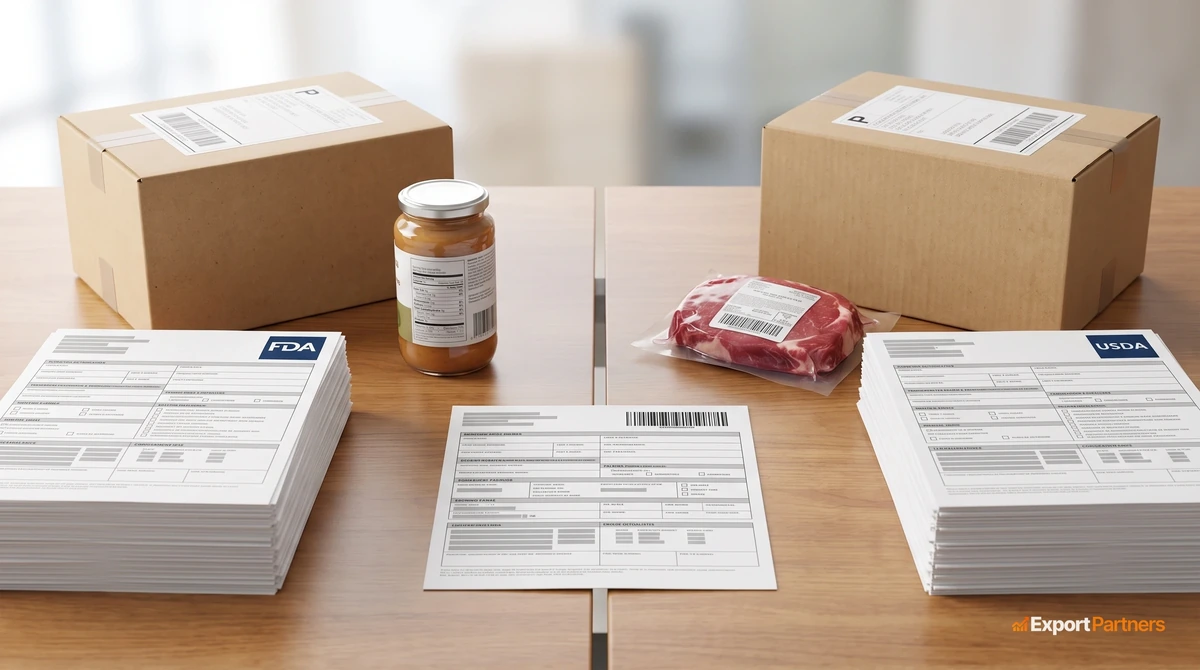
USDA katmanı FDA’yı ortadan kaldırmaz. Pet food dahil hayvansal içerikli pek çok üründe FDA tesis kaydı, US Agent ataması ve her sevkiyatta Prior Notice yükümlülükleri de sürer. Yani süreç “FDA mı USDA mı” değil, “FDA + USDA” mantığıyla kurulur. Detaylar için FDA Kayıt ve Belgelendirme rehberimize bakabilirsiniz.
5. Gümrük ve İthalatçı Katmanı
Sevkiyat tarafında ithalatçı kaydı, customs bond ve doğru HTS sınıflandırması olmadan hayvansal ürün gümrük sürecinde sağlıklı ilerleyemez. Etiket tarafında ise ürün adı, net miktar, içerik, alerjen, üretici bilgisi ve menşe (Product of Türkiye) beyanının ABD formatında ve İngilizce olması gerekir. Etiket incelemesi için FDA Etiket ve Gümrük Danışmanlığı Rehberimiz yol gösterici olacaktır.
Yanlış Sıralamanın Maliyeti Nedir?
Belgeleri ürün yola çıkmadan doğru kurmamanın pratik sonuçları uygulamada şöyle görünüyor:
- Demuraj ve ardiye: Gümrükte bekleyen konteyner için günlük ücret; birkaç hafta içinde binlerce dolara ulaşabilir.
- Numune ve test masrafları: FDA veya USDA’nın istediği ek numune/testler ithalatçı hesabına yansır.
- Re-export veya imha: Girişi kabul edilmeyen ürünlerin geri gönderilmesi veya imhası, hem maliyet hem itibar kaybı.
- Import Alert (DWPE) riski: Tekrarlayan sorunlarda FDA’nın “Detention Without Physical Examination” listesine giriş; sonraki tüm sevkiyatlar otomatik alıkonur.
- Alıcı ilişkisi: ABD’li distribütör veya perakendeciyle ilk sevkiyatta yaşanan aksaklık, çoğu zaman ilişkinin geri dönüşü olmayan noktasıdır.
Doğru Sıralama Uygulamada Nasıl Görünüyor?
Danışmanlığını yürüttüğümüz hayvansal ürün projelerinde uyguladığımız sıralama, kabaca şu şekilde işliyor:
- 1. Ürün-menşe girebilirlik kontrolü: APHIS VS Permitting Assistant üzerinden her ürünün Türkiye kaynağıyla giriş koşulları tespit edilir. Bu, projenin git/gitme noktasıdır.
- 2. Temel kayıtlar: FDA tesis kaydı + US Agent, gerekiyorsa DUNS.
- 3. USDA katmanı: Ürün gamına göre FSIS eşdeğerlik değerlendirmesi ve APHIS VS Permit başvurusu.
- 4. Sağlık sertifikası altyapısı: Türkiye tarafında sertifika akışının kurulması; her sevkiyatta tekrar edecek süreç.
- 5. Etiket ve ambalaj uyumu: SKU bazında ABD formatına uygun etiket incelemesi ve revizyonlar.
- 6. Sevkiyat operasyonu: Prior Notice, ithalatçı kaydı, customs bond, doğru HTS sınıflandırması, navlun planlaması.
Yol Haritası, Tek Bakışta
| Aşama | Ne Yapılıyor | Neden Önemli |
| Kategori analizi | Ürün bazında girebilirlik (APHIS VS) | Projenin git/gitme noktası |
| FDA temel | Tesis kaydı + US Agent + Prior Notice | Hayvansal üründe de FDA yükümlülüğü sürer |
| USDA FSIS | Eşdeğerlik değerlendirmesi + belge seti | Et ve kümes ürünlerinde asıl kapı |
| APHIS izni | VS Permit başvurusu ve takibi | Sakatat / organ / bazı süt ürünlerinde belirleyici |
| Etiket | SKU bazında ABD formatında etiket | Revizyonların çoğu burada çıkıyor |
| Sevkiyat | Sağlık sertifikası + bond + HTS | Her sevkiyatta tekrar eden operasyon |
Sıkça Sorulan Sorular (SSS)
Hayvansal ürünlerde FDA kaydı yetmez mi?
Yetmez. Ürün grubuna göre USDA FSIS ve/veya APHIS izinleri de devreye girer; sağlık sertifikası her sevkiyatta gereklidir. FDA + USDA katmanları birlikte kurulur.
Sağlık sertifikası her sevkiyatta mı gerekir?
Evet. Sağlık sertifikası menşe ülke otoritesi tarafından her sevkiyat için düzenlenir; USDA’nın kabul ettiği formatta olmalıdır.
APHIS izni ne kadar sürer?
Ürün ve menşe kombinasyonuna göre değişir; erken başvuru ve doğru dokümantasyon süreci belirgin şekilde kısaltır. Sürenin ötesinde asıl kritik konu, ürünün ilgili menşe kaynağıyla girebilir olup olmadığıdır.
Türkiye’nin şap statüsü ihracatı nasıl etkiler?
USDA, ithal edilen hayvansal ürünü menşe ülkenin hayvan hastalığı statüsüne göre değerlendirir. Bu nedenle ürün-menşe kombinasyonunun APHIS sisteminde önden doğrulanması, süreçlerin en başında gelir.
Etiketim Türkçe olabilir mi?
Hayır. Etiketin tamamı İngilizce olmalı ve ABD formatında zorunlu unsurları içermelidir.
Belgeleri Ürün Yola Çıkmadan Doğru Kurmak
Hayvansal gıda ihracatında asıl mesele, belgeleri ürün yola çıkmadan doğru kurmak. FDA ve USDA katmanlarının birlikte planlanmadığı projeler, çoğu zaman ilk sevkiyatta yaşanan gecikme ve maliyetlerle öğrenme yolunu tercih ediyor; oysa doğru sıralamayla ilerleyen üretici için süreç öngörülebilir hale geliyor.
Türkiye’den Amerika’ya hayvansal ürün ihracatında FDA ve USDA mevzuat süreçlerini uçtan uca yürütüyoruz. Ek olarak nakliye ve ABD gümrük işlemleri, ABD’de vergi ve muhasebe, marka tescili tarafını da aynı çatı altında koordine ediyoruz.
İlgili rehberler: USDA/VS Permit nasıl alınır? · Türkiye’den ABD’ye pet ürünleri ihracatı · FDA kayıt ve belgelendirme · Amerika’da marka tescili
Bu dizideki diğer rehberler
Bu rehber, ABD’ye ihracatta FDA süreçlerini anlatan bir dizinin parçası. Konuya yakın diğer rehberler:
- Abd’ye pet food ihracatında aphis, fda ve aafco adımları
- Abd’ye doğal köpek çiğneme ürünleri ihracatı
- Bitkisel yağ ihracatında fda kaydı, gmp ve gümrük
- Kayıt ve belgelendirme tarafında destek için FDA kayıt ve belgelendirme hizmetimize bakabilirsiniz.
Son güncelleme: 7 Ekim 2026