Pet food AAFCO etiketi, Türk üreticinin ABD’ye mama ya da ödül gönderirken en çok takıldığı konu. Sebep şu: AAFCO federal bir kurum değil, ürünlere “onay” vermiyor, ama etiket ve içerik standartlarını her ABD eyaleti benimsemiş durumda. Yani etiket AAFCO formatına uymuyorsa ürün ne perakende rafına ne Amazon listing’ine giriyor. Bu yazı yalnızca etiket ve formülasyon tarafını anlatıyor; APHIS VS Permit, FDA tesis kaydı ve gümrük adımları için ABD’ye pet food ihracatı rehberimiz ayrı duruyor.
Etiket, formülasyonla birlikte kuruluyor. Ürün adında “chicken” yazabilmek için tavuk oranının belli bir eşiği geçmesi gerekiyor; “complete and balanced” diyebilmek için besin profili ya da besleme denemesi dayanağı isteniyor. Bu yüzden ambalaj tasarımı üretimden sonra değil, reçete kapanırken yapılıyor.
AAFCO Nedir, Neden Fiili Standart?
AAFCO (Association of American Feed Control Officials), ABD eyaletlerinin hayvan yemi kontrol kurumlarının üst çatısı. Model kurallar ve etiket standartları yayımlıyor; eyaletler bu kuralları kendi mevzuatına alıyor ve rafı denetleyen eyalet görevlisi etiketi bu standarda göre okuyor. FDA ise pet food’u gıda gibi düzenliyor: tesis kaydı, US Agent, Prior Notice ve etiketteki iddia dili FDA çatısında. İkisi birbirinin yerine geçmiyor.
| Kurum | Kapsamı | Pet food etiketinde |
| FDA | Tesis kaydı, etiket temel unsurları, iddia dili | Tedavi iddiası yasak, “cures allergies” gibi ifade ürünü ilaç sınıfına kaydırır |
| Eyalet yem kurumları ve AAFCO | Etiket ve içerik standartları | Ürün adı kuralları, guaranteed analysis, nutritional adequacy beyanı |
| USDA APHIS | Hayvan sağlığı, ithalat izni | Etikete karışmaz; izin numarası sevk evrakında durur |
AAFCO Etiketinin Zorunlu Unsurları
- Ürün adı ve marka: Ürün içeriğine göre kısıtlamalar var; “chicken”, “chicken dinner”, “with chicken” ve “chicken flavor” arasında oran farkı bulunuyor, aşağıda ayrıntısı var.
- Species (hedef hayvan) beyanı: Dog food, cat treat gibi.
- Guaranteed analysis: Ham protein ve ham yağ için minimum, ham lif ve nem için maksimum değer.
- Ingredient statement: İçerik listesi, ağırlık sırasına göre, AAFCO tanımlı içerik adlarıyla.
- Nutritional adequacy statement: “Complete and balanced” iddiası varsa hangi yaşam evresi için ve nasıl doğrulandığı (AAFCO nutrient profile ya da feeding trial).
- Feeding directions: Besleme yönergeleri.
- Net miktar, üretici bilgisi, menşe: Metrik ve oz/lb birlikte; “Product of Turkey”; tamamı İngilizce.
Ödüller (treats) için nutritional adequacy statement genelde “intermittent or supplemental feeding only” olarak beyan ediliyor; “complete and balanced” iddiasına girmemek çoğu üretici için daha güvenli yol.
Ürün Adı Kuralları: Yüzde 95, Yüzde 25, “With” ve “Flavor”
AAFCO model kurallarında ürün adı, adı geçen içeriğin formüldeki payına göre dört kademeye ayrılıyor. Reçete kapanmadan ürün adına karar vermek bu yüzden mümkün değil:
| Ad biçimi | Örnek | Adı geçen içeriğin payı |
| Yüzde 95 kuralı | “Chicken for Dogs”, “Beef Cat Food” | Toplam ağırlığın en az yüzde 95’i (su hariç), su dahil en az yüzde 70 |
| Yüzde 25 kuralı | “Chicken Dinner”, “Beef Entrée”, “Lamb Formula” | En az yüzde 25, yüzde 95’in altında; ad “dinner”, “entrée”, “platter”, “formula” gibi bir niteleyici taşır |
| “With” kuralı | “Dog Food with Chicken” | En az yüzde 3 |
| “Flavor” kuralı | “Chicken Flavor Dog Food” | Oran şartı yok, tadın tespit edilebilir olması yeterli |
Sık yapılan hata: ambalajda büyük puntoyla “Chicken” yazıp formülde tavuk ununu yüzde 20’de bırakmak. Eyalet denetiminde bu etiket “misbranded” sayılıyor ve ürün raftan çekilebiliyor. Doğru yol, ad ile reçeteyi aynı masada kapatmak.
Ürün Grubuna Göre Formülasyon ve Etiket Farkları
Kuru mama (dry kibble)
Ana akım kategori; Amazon dahil bütün kanallar AAFCO etiketi ve “complete and balanced” doğrulaması arıyor. Nutrient profile hesabı formülasyon aşamasında yapılır, guaranteed analysis laboratuvar sonucuyla desteklenir.
Yaş mama (wet / canned)
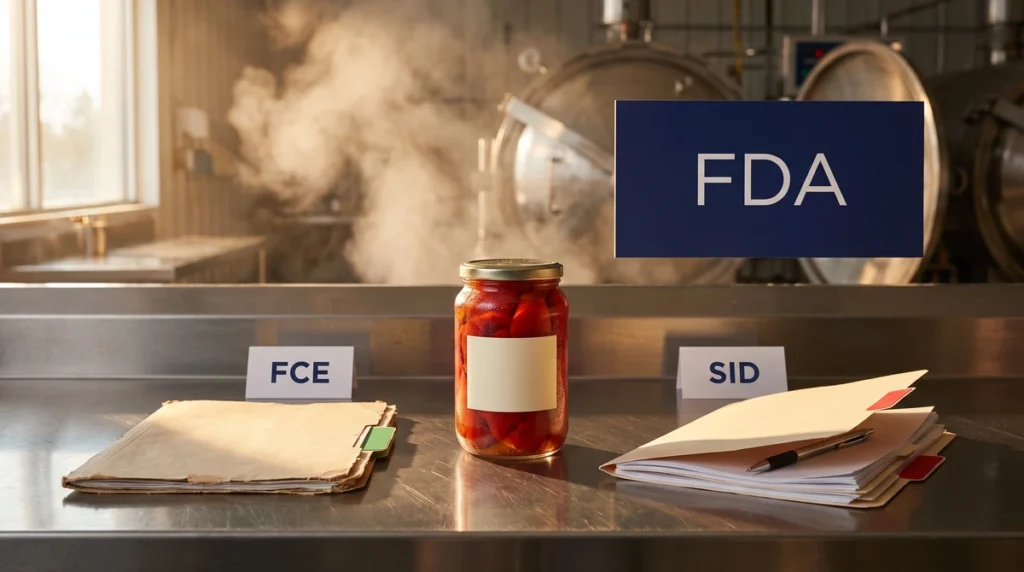
Konserve formatında etiketin yanına proses tarafı ekleniyor: pH ve su aktivitesine göre ürün düşük asitli konserve gıda (LACF) sınıfına giriyorsa FCE kaydı ve SID proses bildirimi de gerekiyor. Nem değeri yüksek olduğu için guaranteed analysis “as fed” bazında yazılır; kuru madde karşılaştırması etikete konmaz.
Freeze-dry ödüller ve etler
Tek içerikli ürünlerde (dana ciğer, tavuk göğsü) yüzde 95 kuralı doğal olarak sağlanıyor ve ad kısa tutulabiliyor. “Human-grade” ibaresi ise ancak ürün insan gıdası standardında ve o standartta bir tesiste üretildiyse kullanılabiliyor; belgelenemiyorsa yazılmıyor.
Çiğneme ürünleri (chews)
Deri, sinir ve işkembe bazlı ürünlerde nutritional adequacy beyanı “intermittent or supplemental” olur; boğulma ve parça kopması uyarısı (feeding directions altında) ABD rafında yerleşik uygulama. Bu grubu ayrıca ABD’ye doğal köpek çiğneme ürünleri yazımızda anlattık.
Balık bazlı ürünler
Balık adı etikete AAFCO tanımlı adıyla yazılır (“fish meal”, “salmon”); tür belirtiliyorsa formülde o tür olmalı. Bazı alıcılar yakalama alanı ve işleme belgesi isteyebiliyor, bu etiket değil tedarik dosyası konusu.
Sık Yapılan Etiket Hataları
- AAFCO’yu opsiyonel görmek: Federal değil ama eyalet bazında bağlayıcı; etiket uyumsuzsa Amazon ve raf iki tarafta da sorun çıkarıyor.
- Yanlış “complete and balanced” iddiası: Ödülde bu iddiayı kullanmak ya da profil veya feeding trial dayanağı olmadan yazmak etiketi geçersiz kılıyor.
- Formülasyon ile etiketi ayrı yürütmek: Ürün adındaki içerik payı kuralları reçeteyle birlikte belirlenmezse ambalaj baskıdan sonra değişiyor.
- “FDA approved” ya da “AAFCO approved” yazmak: İki kurum da ürün onaylamıyor; bu ibareler yanıltıcı beyan sayılıyor.
- Türkçe kalıntı: Etiketin tamamı İngilizce olmalı; içerik listesinde Türkçe içerik adı ya da yalnızca gram cinsinden net ağırlık kabul görmüyor.
Amazon ve Raf İçin Etiket Fotoğrafı
Amazon’da pet food onaya tabi (gated) bir kategori ve onay dosyasının en çok geri dönen parçası etiket fotoğrafı: bütün zorunlu unsurların okunur olduğu, ambalaj üzerindeki gerçek etiket isteniyor. AAFCO formatında hazırlanmış bir etiket bu adımı tek seferde geçiriyor. Kategori onayının tamamı Amazon ABD’de pet food satışı yazımızda.
Sıkça Sorulan Sorular
AAFCO onayı diye bir şey var mı?
“AAFCO onaylı” ifadesi teknik olarak yanlış; AAFCO ürünlere onay vermez, model kural ve standart yayımlar. Eyalet kontrol kurumları etiketi bu standartlara göre denetler.
Kedi maması ile köpek maması aynı etiket kurallarına mı tabi?
Temel unsurlar aynı; ancak AAFCO nutrient profilleri, hedef hayvan beyanı ve iddia dili türe göre ayrışıyor. Etiket species bazında kurulur.
Freeze-dry ödüllerde “human-grade” ifadesini kullanabilir miyim?
Ürünün insan tüketimine uygun bir tesiste, insan gıdası standartlarında üretilmiş olması ve bunun belgelenmesi gerekiyor. Belgelenemiyorsa ifade kullanılmaz.
Etiket Türkçe olabilir mi?
Hayır. Etiketin tamamı İngilizce olmalı ve AAFCO ile FDA formatındaki zorunlu unsurları içermeli.
“Chicken Dinner” ile “with Chicken” arasındaki fark nedir?
“Dinner” en az yüzde 25 tavuk ister, “with” en az yüzde 3. Formüldeki pay hangisini karşılıyorsa ad ona göre seçilir.
Sonuç
Pet food etiketi ABD’de ayrı bir uzmanlık alanı, çünkü kural koyan kurum ile denetleyen kurum farklı ve etiket reçeteye bağlı. Ürün adı, guaranteed analysis ve nutritional adequacy beyanı formülasyonla aynı anda kapatıldığında ambalaj bir kere basılıyor ve Amazon onayı ilk dosyada geçiyor. İzin ve kayıt tarafı için ABD’ye pet food ihracatı: USDA VS Permit ve FDA kaydı rehberimize, mama dışı takviye ürünleri için ABD’ye pet takviyesi ihracatı yazımıza bakabilirsiniz.
Türkiye’den ABD’ye pet food ihracatında etiket incelemesi ve AAFCO uyum kontrolünü yürütüyoruz; FDA kayıt ve belgelendirme sayfamızdan ulaşabilirsiniz.
Son güncelleme: 22 Eylül 2026. Yazı, APHIS ve gümrük bölümleri ana rehbere taşındıktan sonra AAFCO etiket ve formülasyon konusuna daraltıldı.