
Amazon ABD’de Pet Food Satışı: FDA Uyumundan Amazon Onayına Tam Rehber

Amazon ABD’de pet food satışı, büyüyen bir pazarın en erişilebilir kapısı olabiliyor. ABD evcil hayvan ürünleri pazarı dünyanın en büyüğü ve büyümeye devam ediyor. Türk gıda üreticileri için Amazon ABD üzerinden pet food (evcil hayvan maması ve ödülü) satışı, doğru kurgulandığında son derece kârlı bir ihracat kanalı.
Ancak burada kritik bir gerçek var: Amazon’da pet food, “kapalı” (gated) bir kategoridir. Yani satışa başlamadan önce hem FDA uyumunu hem de Amazon’un onay sürecini tamamlamanız gerekir. Etiketiniz AAFCO standartlarına uymuyorsa veya FDA tesis kaydınız yoksa, ürününüz gümrükte tutulabilir ya da Amazon listeniz kaldırılabilir.
Bu rehberde tüm bu süreci, danışmanlığını üstlendiğimiz gerçek bir üretici vakası üzerinden, adım adım ele alıyoruz.
ABD Pet Food Pazarı Neden Bu Kadar Cazip?
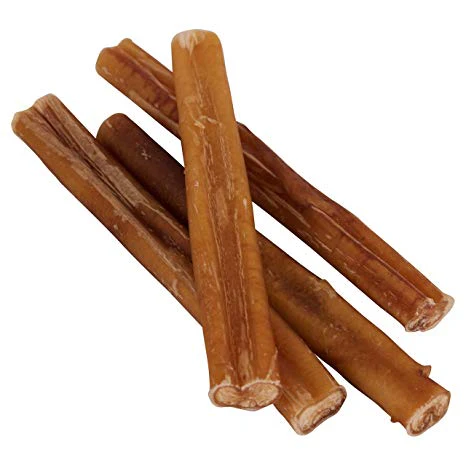
ABD, kişi başına evcil hayvan harcamasında dünya lideri. Premium ve “doğal / insan kalitesinde” segment hızla büyüyor; özellikle freeze-dry (dondurularak kurutulmuş) ödüller, tahılsız mamalar ve fonksiyonel ürünler Amerikalı pet sahipleri arasında güçlü talep görüyor.
Türkiye’nin et işleme ve gıda üretim altyapısı, bu premium segment için ciddi bir rekabet avantajı sunuyor. Doğru sertifikasyon ve marka konumlandırmasıyla, bir Türk üreticisinin Amazon ABD’de yer alması tamamen mümkün, yeter ki regülasyon tarafı eksiksiz kurulsun.
Vaka: Türkiye’den Bir Et İşleme Üreticisinin ABD Yol Haritası
Danışmanlığını yürüttüğümüz üreticilerden biri, Türkiye’de güçlü bir et işleme ve gıda üretim altyapısına sahip bir firma, ABD pazarına açılmak için tek bir ABD LLC çatısı altında üç ayrı ürün hattı konumlandırdı:
- Ana hat: Et bazlı freeze-dry ödüller (dana ciğer, dalak, yürek, işkembe, gırtlak, akciğer; tavuk, ördek, somon, hamsi), tahılsız kuru mamalar, premium yaş mamalar ve fonksiyonel stick ödüller.
- İkinci hat: Freeze-dry meyve ürünleri.
- Üçüncü hat: Online perakende / pazar yeri markası (pet ürünleri online perakende satışına yönelik).
Bu üç hatlı yapı tesadüf değil: her hat, farklı bir ürün kategorisini ve farklı bir Amazon stratejisini temsil ediyor. Aşağıda bu yapının arkasındaki regülasyon yol haritasını paylaşıyoruz.
Adım 1: ABD Şirketi ve Vergi Numarası (LLC + EIN)
Amazon ABD’de profesyonel satıcı olmanın temeli, bir ABD tüzel kişiliği ve EIN (Employer Identification Number) vergi numarasıdır. Vakamızda bu temel, bir ABD LLC’si kurularak ve IRS nezdinde EIN alınarak atıldı.
ABD şirketi olmadan da satış teknik olarak mümkündür; ancak banka hesabı açma, marka tescili, ödeme tahsilatı ve vergi yönetimi açısından bir LLC + EIN yapısı süreci kat kat kolaylaştırır. Bu nedenle yol haritasının ilk adımı her zaman buradan başlar.
Adım 2: Marka Tescili, Amazon Brand Registry’nin Ön Koşulu
Pet food gibi rekabetçi ve taklide açık bir kategoride, markanızı korumadan satış yapmak büyük risktir. Amazon’un Brand Registry programına girebilmek için ABD’de tescilli (veya tescil başvurusu yapılmış) bir markaya ihtiyacınız var.
Vakamızda üretici, USPTO nezdinde üç ayrı marka başvurusunu ITU (Intent to Use / kullanım niyeti) esasına göre yaptı:
- Et bazlı mama/ödül markası, Sınıf 31 (pet food; edible pet treats)
- Freeze-dry meyve markası, Sınıf 29 (freeze-dried fruits)
- Online perakende markası, Sınıf 35 (online perakende mağaza hizmetleri / pet ürünleri)
ITU esaslı başvurularda, marka henüz ABD’de fiilen kullanılmıyorsa “Notice of Allowance” sonrası kullanım kanıtı sunma süreci işler. Bu, ürünü piyasaya sürmeden önce marka hakkını güvenceye almak isteyen ihracatçılar için ideal bir yöntemdir.
Marka tarafının detayları için: Amerika’da Marka Tescili rehberimiz ve Amazon Brand Registry & Amazon Transparency rehberimiz.
Adım 3: FDA Uyumu, Pet Food’un Olmazsa Olmazı

ABD’de pet food, FDA tarafından “konvansiyonel gıda” gibi düzenlenir. Yani insan gıdasına benzer bir uyum çerçevesi geçerlidir. Pet food’u ABD’ye getirmeden önce tamamlanması gereken başlıca FDA yükümlülükleri şunlardır:
3.1. FDA Gıda Tesisi Kaydı (Food Facility Registration) + US Agent
Ürünü üreten yabancı tesisin (Türkiye’deki fabrika) FDA’ya kayıtlı olması ve bir ABD Temsilcisi (US Agent) ataması zorunludur. Bu kayıt olmadan ürün ABD’ye giremez.
3.2. Prior Notice (Ön Bildirim)
Her sevkiyat öncesinde, ürünün ABD’ye gelişine dair FDA ve CBP’ye (Gümrük) elektronik ön bildirim yapılması gerekir. Bu bildirim, FDA’nın gümrükte inceleme/numune alma kararı vermesini sağlar.
3.3. FSVP (Foreign Supplier Verification Program)
ABD’deki ithalatçının (genelde sizin LLC’niz), tedarikçinizin ve ürünün ABD gıda güvenliği kurallarına uygunluğunu doğrulayan bir FSVP planına sahip olması şarttır. FDA bu planı yetersiz bulursa, ürün güvenli olsa bile sevkiyatı durdurabilir.
3.4. cGMP ve Önleyici Kontroller (HARPC)
Pet food üretim tesisleri, asgari sanitasyon standartlarını (cGMP) karşılamak ve tehlike analizine dayalı önleyici kontrolleri (preventive controls) uygulamak zorundadır.
3.5. İçerik (Ingredient) Uygunluğu
Kullandığınız tüm hammaddeler ya onaylı gıda katkısı, ya GRAS (genel olarak güvenli kabul edilen), ya da AAFCO Resmi Yayını’nda tanımlı kabul edilebilir bir içerik olmalıdır.
3.6. Etli Ürünlerde Özel Durum: USDA / APHIS Boyutu
Burası, et bazlı freeze-dry ödüllerde çok önemli bir nokta: Hayvansal orijinli ürünler yalnızca FDA değil, aynı zamanda USDA denetimine de tabi olabilir.
- Et ve kümes hayvanı ürünleri için menşe ülkeden sağlık sertifikası (Health Certificate) ve USDA FSIS belgeleri talep edilebilir.
- Bazı hayvansal yan ürünler, yabancı hayvan hastalıklarının girişini önlemek amacıyla USDA APHIS izni / sertifikası gerektirebilir.
Bu nedenle dana ciğeri, işkembe, gırtlak gibi sakatat bazlı ödüllerde tedarik zinciri ve sertifikasyon, sıradan bir kuru mamadan daha titiz kurgulanmalıdır.
Hayvansal orijinli ürünlerde USDA / APHIS denetimi ve VS Permit (Veterinary Services Permit) sürecinin detaylarını ABD’ye Pet Food İhracatı, USDA & VS Permit yazımızda adım adım ele aldık.
FDA tarafının pratik adımları için: FDA Kayıt ve Belgelendirme rehberimiz ve FDA Etiket ve Gümrük Danışmanlığı Rehberi. Türk üreticilerin neden bu sürece yöneldiğini ise bu yazımızda ele aldık.
Adım 4: AAFCO Etiketleme Kuralları
AAFCO nedir? Association of American Feed Control Officials (Amerikan Yem Kontrol Yetkilileri Birliği), bir devlet kurumu değil; eyalet ve federal kontrol yetkililerinin oluşturduğu bir birliktir. Pet food’u kendisi onaylamaz, ancak içerik tanımlarını, besin profillerini ve etiket formatını belirleyen standartları üretir. ABD’nin çoğu eyaleti bu model kuralları kendi yasasına aktardığından, AAFCO standartlarına uyum pratikte zorunludur.
ABD’de pet food etiketi, FDA’nın federal kuralları ve AAFCO model düzenlemeleri çerçevesinde hazırlanır. Etiketinizde bulunması gereken temel unsurlar:
- Ürün/marka adı
- Hedef tür beyanı (örn. “Dog”, “Cat”, ana panelde açıkça)
- Net miktar, hem metrik hem avoirdupois (lb/oz) birimleriyle, alt üçte birlik panelde
- Garanti Edilen Analiz (Guaranteed Analysis), asgari ham protein, asgari ham yağ; azami ham lif, azami nem
- İçerik listesi, AAFCO’nun tanımladığı doğru adlarla
- Besinsel Yeterlilik Beyanı (Nutritional Adequacy Statement), gerekiyorsa
- Besleme talimatı (Feeding Directions)
- Üretici / dağıtıcı adı ve adresi
Etiketin tamamı İngilizce olmalıdır.
Ödül (Treat) Ürünlerinde Önemli Bir Kolaylık
Freeze-dry ödül ürünleri için önemli bir avantaj var: AAFCO, ödül/atıştırmalık ürünlerin tam “complete and balanced” (eksiksiz ve dengeli) besinsel yeterlilik beyanına tabi olmamasına izin verir, yeter ki ana panelde “snack” veya “treat” ibaresi açıkça yer alsın.
Buna karşın tahılsız kuru mamalar ve yaş mamalar ana besin kaynağı olarak konumlandığından, bunların etiketi tam “complete and balanced” beyanı ve ilgili AAFCO besin profillerine (örn. yetişkin köpek mamasında kuru madde bazında min %22 protein / %5 yağ; yetişkin kedi mamasında min %26 protein / %9 yağ) uyum gerektirir.
Köpek çiğneme ve ödül ürünlerinin ihracat, etiket ve 21 CFR Part 501 uyum detayları için ABD’ye Doğal Köpek Çiğneme Ürünleri yazımıza göz atabilirsiniz.
Eyalet Kayıtları
Pek çok eyalet, satılacak her bir pet food ürününün etiketini ayrıca kendi nezdinde kaydetmenizi/onaylatmanızı ister. Hangi eyaletlerde satış yapacağınıza göre bu kayıtlar planlanmalıdır.
Adım 5: Amazon “Pet Supplies” Kategorisinde Onay (Ungating)

Pet food ve evcil hayvan sağlık ürünleri, Amazon ABD’de 2020 Ağustos’tan bu yana onaya tabi (gated) bir kategoridir. Onay almadan bu ürünleri FBA depolarına gönderemez veya listeleyemezsiniz.
Onay (ungating) başvurusunda Amazon genellikle şunları ister:
- Üretici faturaları: Son 180 gün içinde tarihli, en az 10 adet ürün alımını gösteren, yetkili tedarikçiden alınmış faturalar.
- Ürün fotoğrafları: Ambalajın tüm yüzlerini ve içerik listesi / besleme talimatı gibi zorunlu panelleri net gösteren görseller.
- FDA uyum belgeleri: Ürün tipine göre FDA/ilgili kurum belgeleri.
- Bazı durumlarda COA (Analiz Sertifikası): Özellikle takviye/sağlık iddiası olan ürünlerde laboratuvar analiz raporu talep edilebilir.
Listeleme kurallarında ayrıca dikkat edilmesi gerekenler:
- Etiketler İngilizce olmalı; ürün adı, üretici bilgisi ve gerekli uyarılar bulunmalı.
- Ambalaj orijinal, mühürlü ve yeni olmalı; lot numarası ve son kullanma tarihi açıkça yer almalı.
- Asılsız sağlık iddiaları yasak, regülatif onay olmadan “tedavi eder”, “hastalığı önler” gibi iddialar listenizin kaldırılmasına yol açar.
İlgili süreç deneyimi için Amazon Private Label Başlangıç Rehberimiz faydalı bir başlangıç noktasıdır.
Yol Haritası, Özet
| Aşama | Yapılan İş |
| 1. Şirket & Vergi | ABD LLC kuruldu, EIN alındı |
| 2. Marka Tescili | USPTO ITU başvuruları (Sınıf 31 / 29 / 35) |
| 3. FDA Uyumu | Tesis kaydı, US Agent, FSVP, içerik uygunluğu (et ürünlerinde USDA/APHIS boyutu) |
| 4. AAFCO Etiketleme | Garanti analizi, besinsel yeterlilik / “treat” istisnası |
| 5. Amazon Onayı | Ungating başvurusu, faturalar, FDA belgeleri |
Bu yapı, “önce sat sonra çözeriz” yaklaşımının tersine; regülasyonu ürün lansmanından önce kurmayı hedefler. Pet food gibi denetimi yoğun bir kategoride, doğru sıralama hem gümrük risklerini hem de Amazon hesap askıya alma riskini en aza indirir.
Sıkça Sorulan Sorular (SSS)
Amazon ABD’de pet food satmak için FDA onayı şart mı?
FDA, pet food’a tek tek “onay” vermez; ancak tesis kaydı, prior notice, FSVP ve içerik uygunluğu gibi yükümlülükler zorunludur. Ayrıca Amazon, kendi onay (ungating) sürecinde FDA uyum belgelerini talep eder.
AAFCO nedir, devlet kurumu mu?
Hayır. AAFCO bir devlet kurumu değil, kontrol yetkililerinin oluşturduğu bir birliktir. Pet food’u test etmez veya onaylamaz; içerik tanımlarını, besin profillerini ve etiket formatını belirleyen standartları üretir. Çoğu eyalet bu kuralları yasalaştırdığı için pratikte bağlayıcıdır.
Freeze-dry et ödülleri için ek bir izin gerekiyor mu?
Evet. Hayvansal orijinli ürünlerde FDA’ya ek olarak USDA FSIS sağlık sertifikası ve bazı durumlarda APHIS izni gündeme gelebilir. Bu, et bazlı ödülleri kuru mamalardan ayıran en kritik noktadır.
Ödül ürünlerinde “complete and balanced” beyanı zorunlu mu?
Hayır. Ana panelde “snack” veya “treat” ibaresi açıkça yer alıyorsa, ödül ürünleri tam besinsel yeterlilik beyanından muaf tutulabilir. Ana besin kaynağı olan mamalarda ise bu beyan zorunludur.
Etiketim Türkçe olabilir mi?
Hayır. Hem AAFCO hem Amazon kuralları gereği etiketin İngilizce olması ve gerekli tüm zorunlu unsurları içermesi gerekir.
Amazon ABD’de pet food satışı, doğru kurgulandığında Türk gıda ve et işleme üreticileri için büyük bir fırsat. Ancak başarı, ürünün kalitesinden önce regülasyon mimarisinden geçiyor: LLC + EIN, marka tescili, FDA uyumu, AAFCO etiketleme ve Amazon ungating.
Bu adımları doğru sırayla ve eksiksiz tamamlamak, hem gümrük hem de Amazon hesap risklerini ortadan kaldırır.
ABD pazarına pet food, takviye gıda veya başka bir gıda ürünüyle açılmayı planlıyorsanız, FDA kayıt ve belgelendirme ile Amerika’da marka tescili süreçlerinde Export Partners olarak uçtan uca yanınızdayız.
İlgili rehberler: Amazon ABD’de Takviye Gıda Satışı ve FDA Uyum Süreci · Amerika’ya Takviye Edici Gıda Satışı
Son güncelleme: 7 Ekim 2026

