
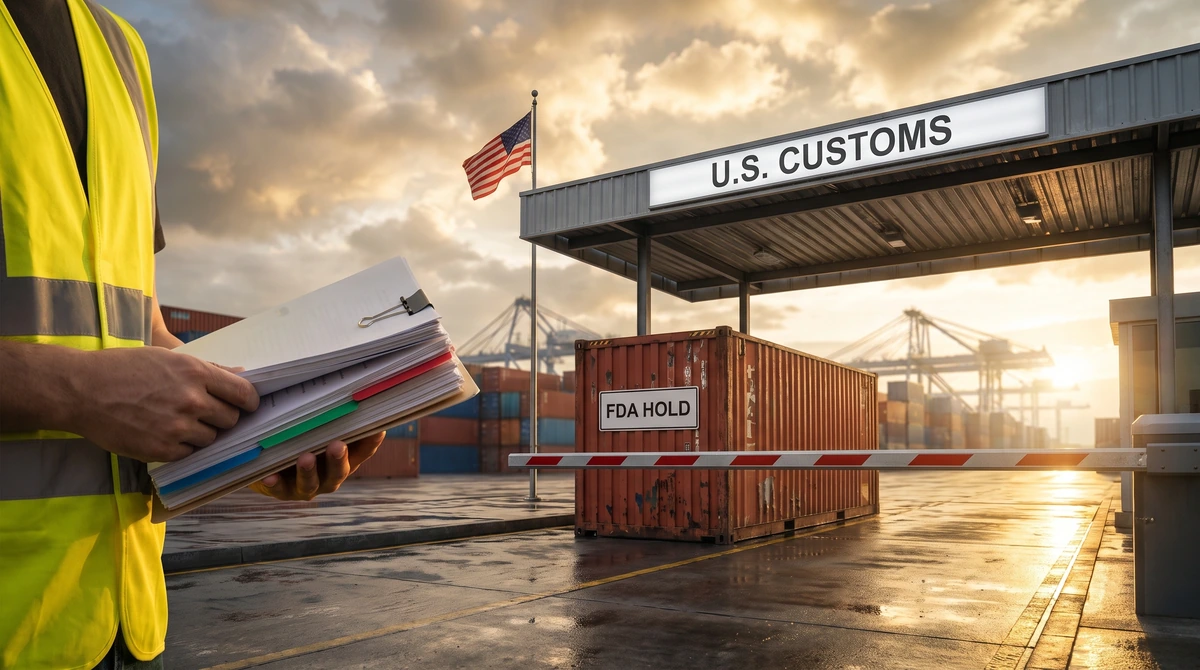
Amerika’ya ihracat yapan Türk üreticilerin en sık yaşadığı hayal kırıklığı şu: FDA belgesi alınmış, FDA kaydı tamam, US Agent atanmış.. ama ürün ABD gümrüğünde takılıyor. Bu durumun FDA tarafındaki adı FDA import refusal ve sebebi çoğu zaman belgenin kendisinde değil, beyanın ayrıntısında olabiliyor.
Üstelik bir kez değil. Tekrar tekrar.
“FDA onayımız var, neden hâlâ takılıyoruz?” Bu rehber tam olarak bu soruyu cevaplıyor.
FDA Belgesi ve FDA Kaydı Neden Tek Başına Yeterli Değil?
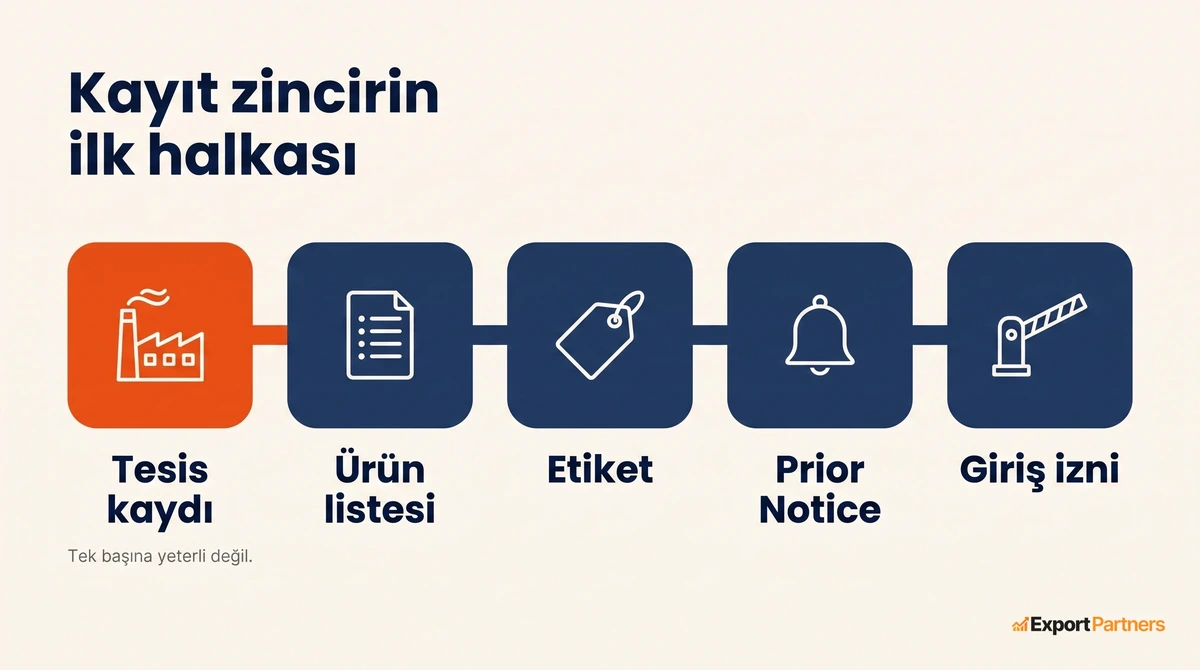
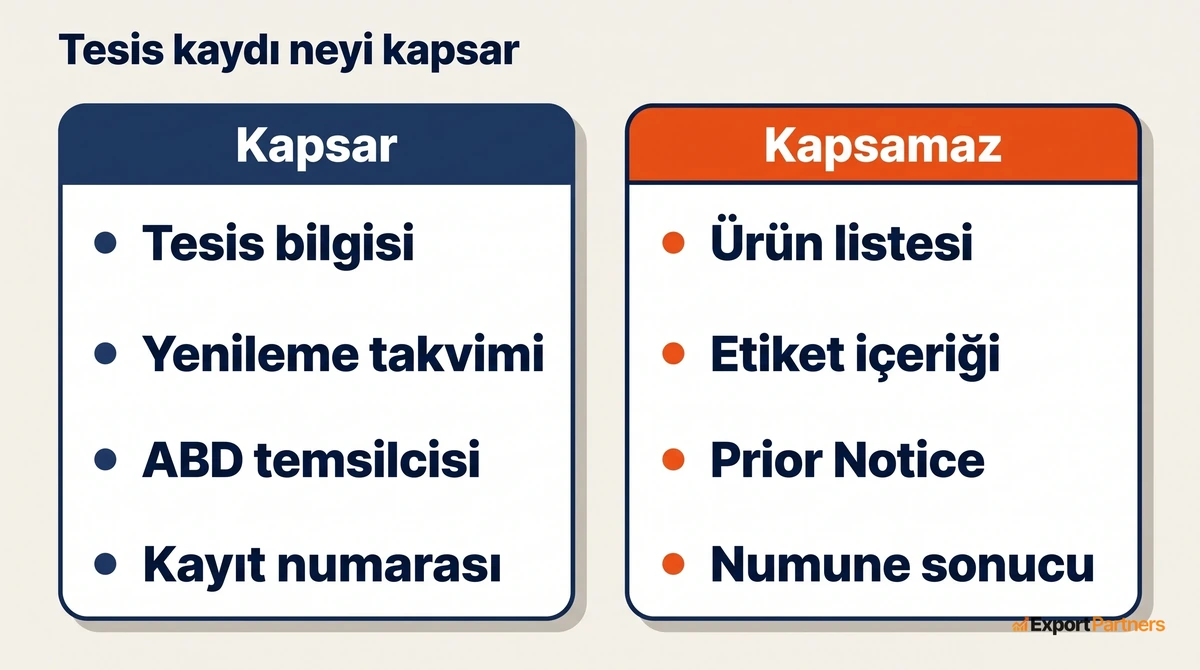
FDA kaydı, tesisinizin FDA sistemine bildirilmesidir.. bir kalite mührü ya da geçiş garantisi değil. Piyasada “FDA onayı” olarak bilinen şey de çoğu ürün grubunda aslında bu kayıttır.
Kayıt kapının anahtarıdır. Ama kapıdan geçmek için ürünün kendisi de ABD kurallarına uymak zorunda: etiket, formülasyon, süreç kaydı, tedarikçi doğrulama.
FDA belgesi “içeri girebilirsin” demez; “seni tanıyorum” der.
FDA Import Refusal Nedir, ABD’ye Giden Ürün Neden Geri Döner?
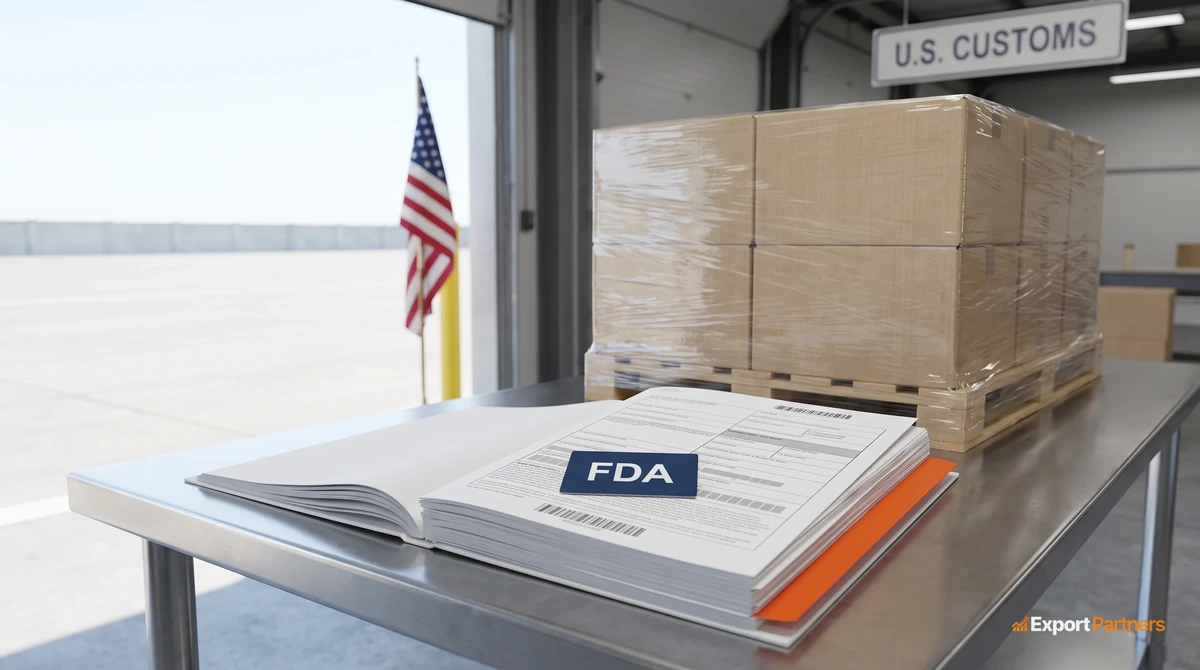
Import refusal, FDA’nın bir sevkiyatın ABD’ye girişini reddetmesidir. Her red, kamuya açık kayıtlara bir red kodu (refusal charge) ile işlenir.
Kritik nokta: sevkiyat çoğu zaman tek değil, birkaç kodla birlikte döner. Sorun tek satırda kalmaz.
ABD’ye gıda ihracatında en sık red gerekçeleri
- Etiket: Nutrition Facts formatı, İngilizce zorunluluğu, içerik ve alerjen listesi
- Süreç kaydı (FCE/SID): zeytin, turşu, salça gibi ürünlerde zorunlu proses bildirimi yapılmamış
- Tesis kaydı: FDA kaydı yok ya da güncel değil
- Katkı/renklendirici: Türkiye’de serbest, ABD listesinde yok
Vaka: “FDA Kaydımız Var, Yine de Her Sevkiyat Dönüyor”
İncelediğimiz bir meyve suyu üreticisi kurumsaldı, FDA’ya kayıtlıydı. Yine de son sevkiyatındaki ürünlerin tamamı gümrükte takılmıştı.
Kayıtlar netti: her sevkiyat aynı iki koddan dönüyordu.. etiket İngilizce gerekliliği ve besin değeri formatı. Üstelik aynı kodlar yıllardır, farklı tesislerden tekrar ediyordu.
Sorun tek seferlik değildi. Etiket şablonu ABD formatına hiç uyarlanmamıştı. Her parti kurtarılıyor, sonraki yine çarpıyordu.
Aynı kod üçüncü kez görünüyorsa, sorun sevkiyatta değil dosyadadır.
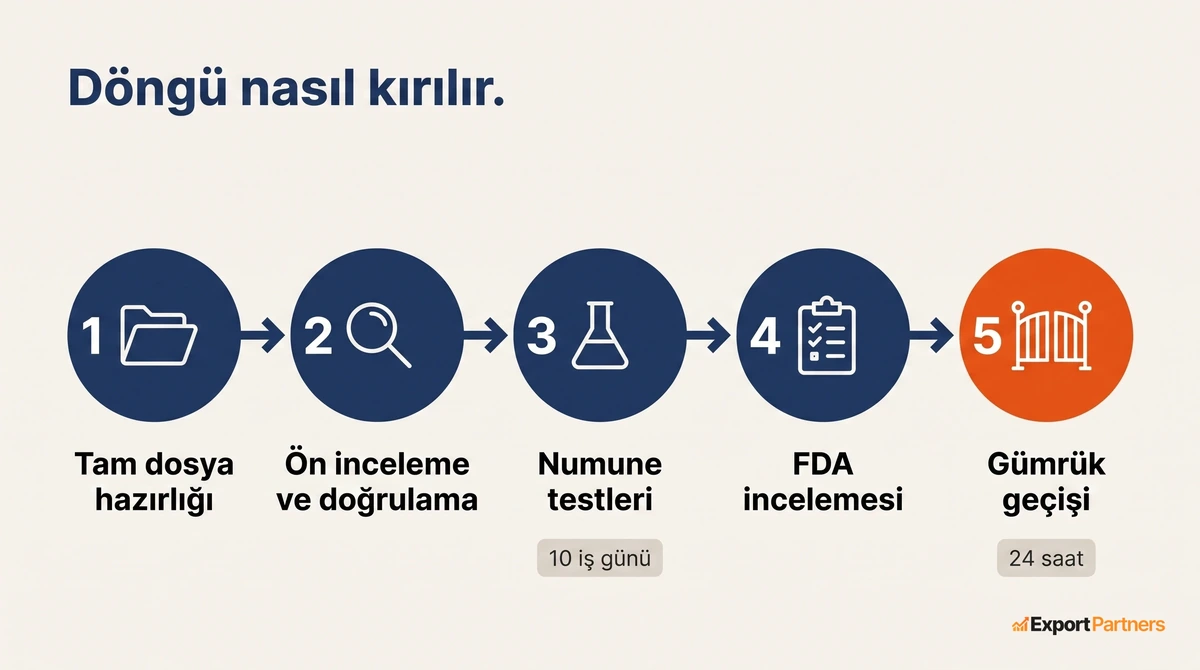
Import Refusal Döngüsü Nasıl Kırılır?
Tek tek sevkiyat kurtarmak yerine kök nedeni bulup dosyayı bütün olarak kurmak gerekir. Beş adım:
- Red kodunu çözün, neden döndüğünüzü tam belirleyin
- Bağlamı tarayın, etiket, süreç kaydı, katkı statüsü birlikte
- Kök nedeni ayırın, tek seferlik hata mı, yapısal eksik mi
- Dosyayı kurun, eksikleri tek uyum dosyası olarak tamamlayın
- Yeniden giriş, sevkiyatın önünü açın, yenilemeleri takvimleyin
Neden Bütünsel Bir Yaklaşım Fark Yaratır?
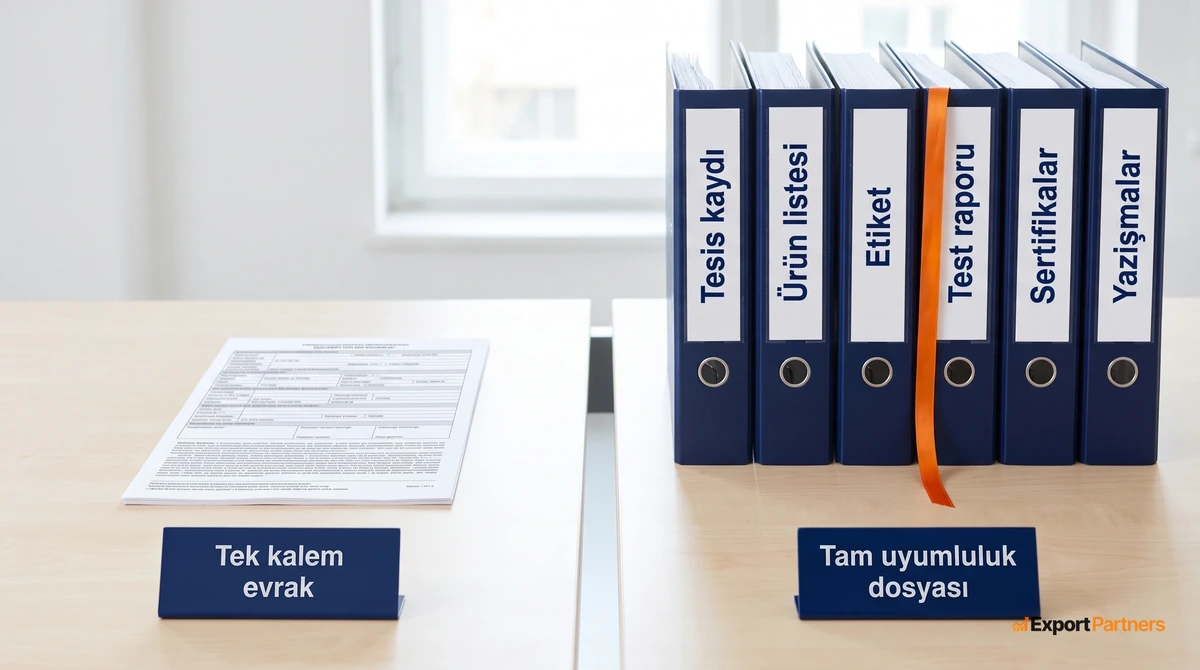
Import refusal’ın en can sıkıcı yanı, tek bir kalemi çözmenin çoğu zaman yetmemesidir. Etiketi düzeltirsiniz, bu sefer başka bir eksikten dönersiniz.
Yalnızca belgelendirme servisi veren bir sağlayıcı o tek kalemi tamamlar; gerisi size kalır. Export Partners LLC olarak farkımız, ABD’ye girişin tüm halkalarını tek çatı altında yürütmemiz: FDA belgelendirme ve uyum, ABD gümrük ve ihracat operasyonu, pazarlama, ABD şirket kurulumu, marka tescili ve ABD muhasebesi.
Böylece ürününüz gümrükten geçtikten sonra da yalnız kalmıyorsunuz; raftaki satıştan marka korumasına kadar aynı ekiple ilerliyorsunuz.
Sıkça Sorulan Sorular
FDA belgem varsa ürünüm neden gümrükte takılır?
FDA belgesi/kaydı yalnızca tesisin bildirimidir. Etiket, formülasyon ve süreç kaydı ayrı gerekliliklerdir; biri eksikse sevkiyat reddedilebilir. Kaydın süresi dolduğunda ya da askıya alındığında sevkiyatın nasıl etkilendiğini FDA kaydı iptal ve yeniden kayıt rehberimizde anlattık.
FDA onayı ile FDA kaydı aynı şey mi?
Gıda ve kozmetikte FDA ürünleri tek tek “onaylamaz”; tesis kaydı ve bildirimler yapılır. “FDA onaylı” ifadesi bu kategorilerde teknik olarak yanlıştır ve etikette kullanılamaz.
Import refusal aldım, ürünüm güvenli değil mi?
Hayır. Gerekçelerin önemli kısmı etiket ve kayıt gibi idari kalemlerdir. Kamuya açık kayıtlar hangi kodla reddedildiğinizi gösterir.
Aynı üründen defalarca red alıyorum, neden?
Tekrar eden red, çözülmemiş bir kök neden demektir. Örneğin etiket şablonu ABD formatına hiç uyarlanmamışsa her sevkiyat aynı gerekçeyle döner.
Sonuç
ABD’ye gıda ihracatında başarı, FDA belgesinden değil uyum dosyasının bütününden geçer. Bir kez doğru kurulan dosya, sonraki tüm sevkiyatların önünü açar.
Ürününüz Amerika gümrüğünde tekrar tekrar takılıyorsa, FDA kayıt ve belgelendirme ile FDA etiket ve gümrük danışmanlığı süreçlerinde kök neden analizinden yeniden girişe kadar yanınızdayız.
İlgili rehberler:

